
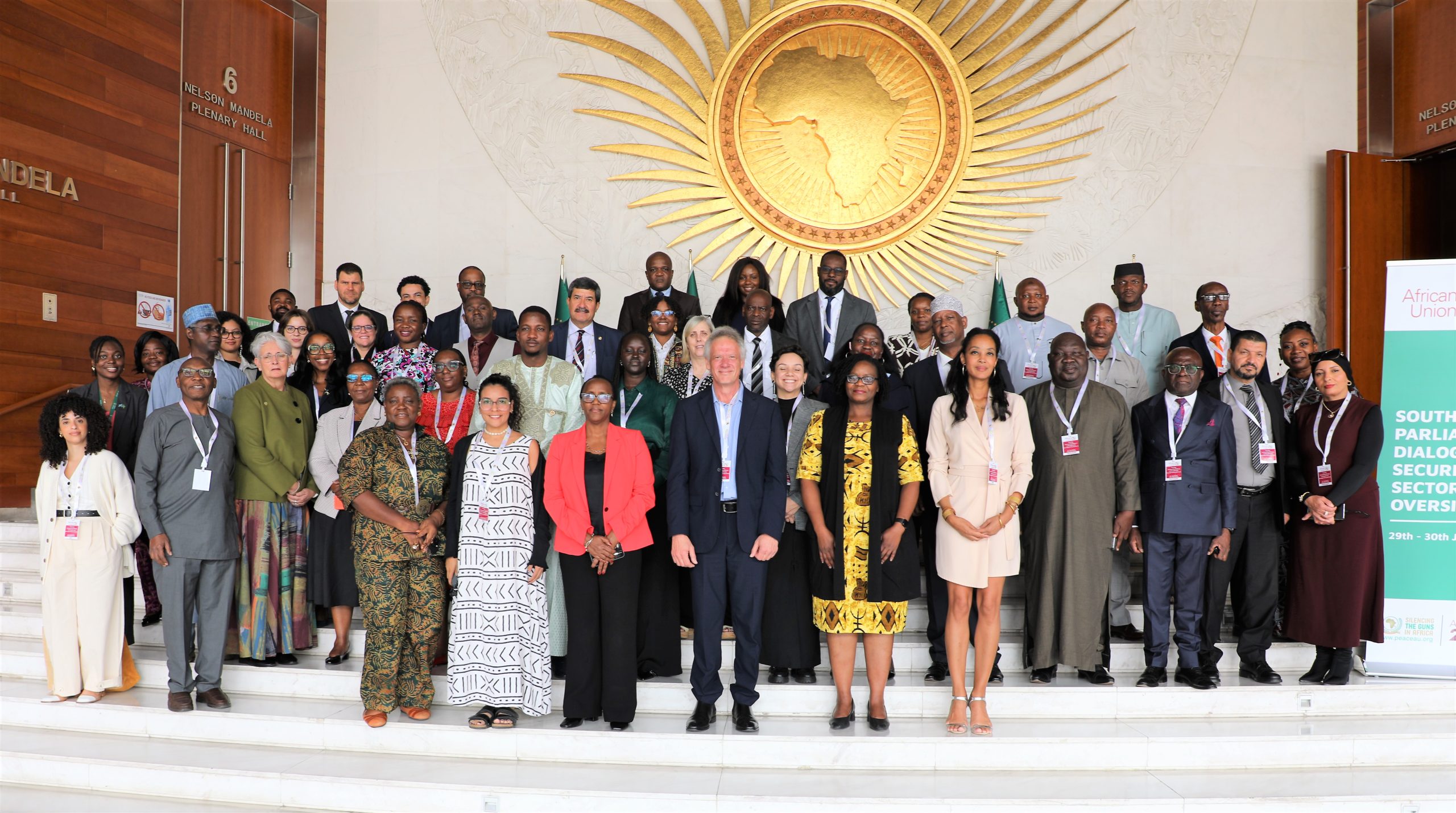
 The African Union Commission (AUC), in partnership with the African Security Sector Network (ASSN) and the African Policing Civilian Oversight Forum (APCOF) have launched the South-South Parliamentary Dialogue on Security Sector Oversight at the African Union Headquarters in Addis Ababa, Ethiopia. Funded by the Security and Rights Programme of the Open Society Foundation (OSF), the two-day dialogue from 29–30 June 2026 brings together parliamentarians, security practitioners and civil society representatives from Africa and Latin America to exchange experiences and strengthen parliamentary oversight of the security sector.
The dialogue provides a unique platform for South-South cooperation, enabling participants to share lessons and good practices on democratic security governance in the face of evolving political and security challenges. Discussions will focus on strengthening parliamentary oversight of the security sector, promoting accountability and transparency, and examining how emerging technologies, changing security narratives and evolving threats are reshaping legislative responsibilities.
Opening the dialogue, Dr Niagale Bagayoko, Chair of the African Security Sector Network (ASSN), observed that democratic security governance is being tested by profound global changes.
“Global security governance today sits at the intersection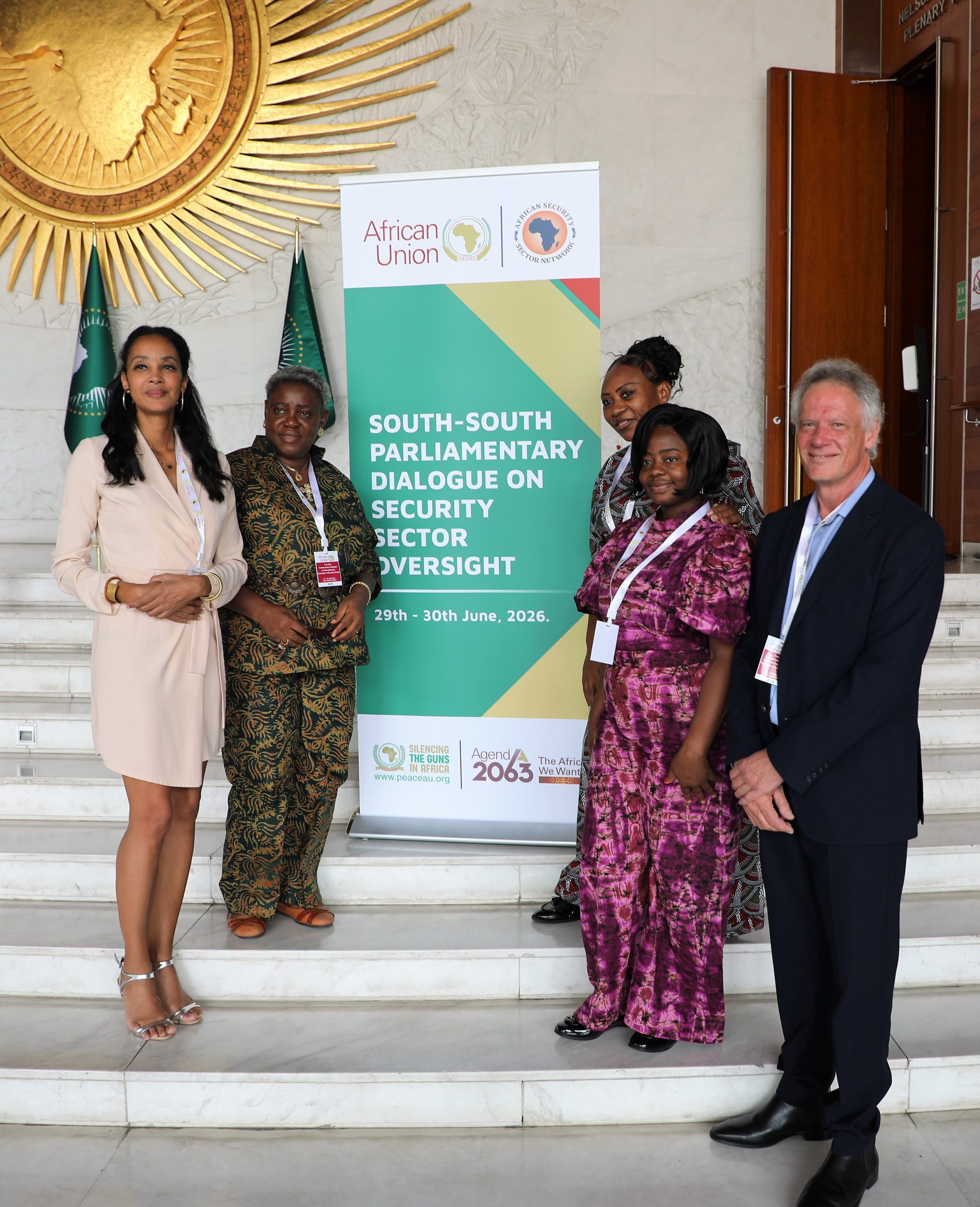
of three converging pressures: a global order that is steadily
losing its rules, hybrid forms of violence that are becoming
permanent features of governance, and parliaments that are
increasingly struggling to exercise the oversight on which
democratic security governance relies.”
She noted that Africa continues to confront persistent challenges including violent extremism, unresolved conflicts, illegal mining, maritime insecurity, climate change, pandemics, foreign interference and the misuse of emerging technologies. At the same time, Latin America is grappling with increasingly entrenched organised criminal groups that challenge state authority and have prompted expanded military involvement in public security. Across both regions, these developments have intensified the need for effective legislative oversight.
Despite these challenges, Dr Bagayoko emphasised that both Africa and Latin America have demonstrated innovative institutional and legislative approaches to strengthening accountability. She expressed confidence that the dialogue would foster meaningful exchange of experiences and identify practical solutions to persistent legislative and governance gaps.
Delivering the opening remarks on behalf of the African Union, Ms Patience Zanelie Chiradza, Director of the Governance and Conflict Prevention Directorate within the Department of Political Affairs, Peace and Security, described the dialogue as a landmark initiative reflecting the enduring historical and political ties between Africa and Latin America.
She reaffirmed that South-South cooperation remains a cornerstone of the African Union’s approach to promoting peace, sustainable development and shared prosperity.
Ms Chiradza highlighted the central place of Security Sector Reform and Governance (SSRG) within the African Union’s peace and security agenda. She noted that the AU Master Roadmap of Practical Steps to Silence the Guns in Africa by 2030 recognises that professional, accountable and democratically governed security institutions are essential for preventing conflict and sustaining peace.
 She stressed that parliamentary oversight has become more important than ever as governments respond to increasingly complex security threats.
“It is through parliament that security institutions are authorised,
funded, scrutinised and held accountable. Communities affected
by insecurity have elected their representatives to ensure that
security institutions remain legitimate, accountable and responsive
to the needs of the people.”
Ms Chiradza further noted that the African Union Policy Framework on Security Sector Reform (2013) and the AU Operational Guidance Note on Oversight and Accountability in the Security Sector provide practical guidance for strengthening democratic oversight and promoting cooperation among Member States and international partners.
She reaffirmed the African Union’s commitment to supporting Member States in strengthening parliamentary oversight and integrating legislatures into broader security sector reform processes. She also acknowledged the valuable contributions of ASSN, APCOF and other partners in advancing this important agenda.
The dialogue is expected to deepen cooperation between African and Latin American legislatures, strengthen democratic oversight of the security sector and contribute to more accountable, transparent and people-centred security governance across both regions.